
Crafting Compelling Conversations: The Art of Movie Dialogues

Updated on


 @finalbitai
 @finalbitai
Engaging dialogue is the heartbeat of a memorable film, transcending the screen to captivate audiences and etch characters into our collective memory. In this blog post, we delve into the intricacies of crafting impactful dialogues, exploring the techniques that make them resonate and highlighting a few iconic examples from epic movies.
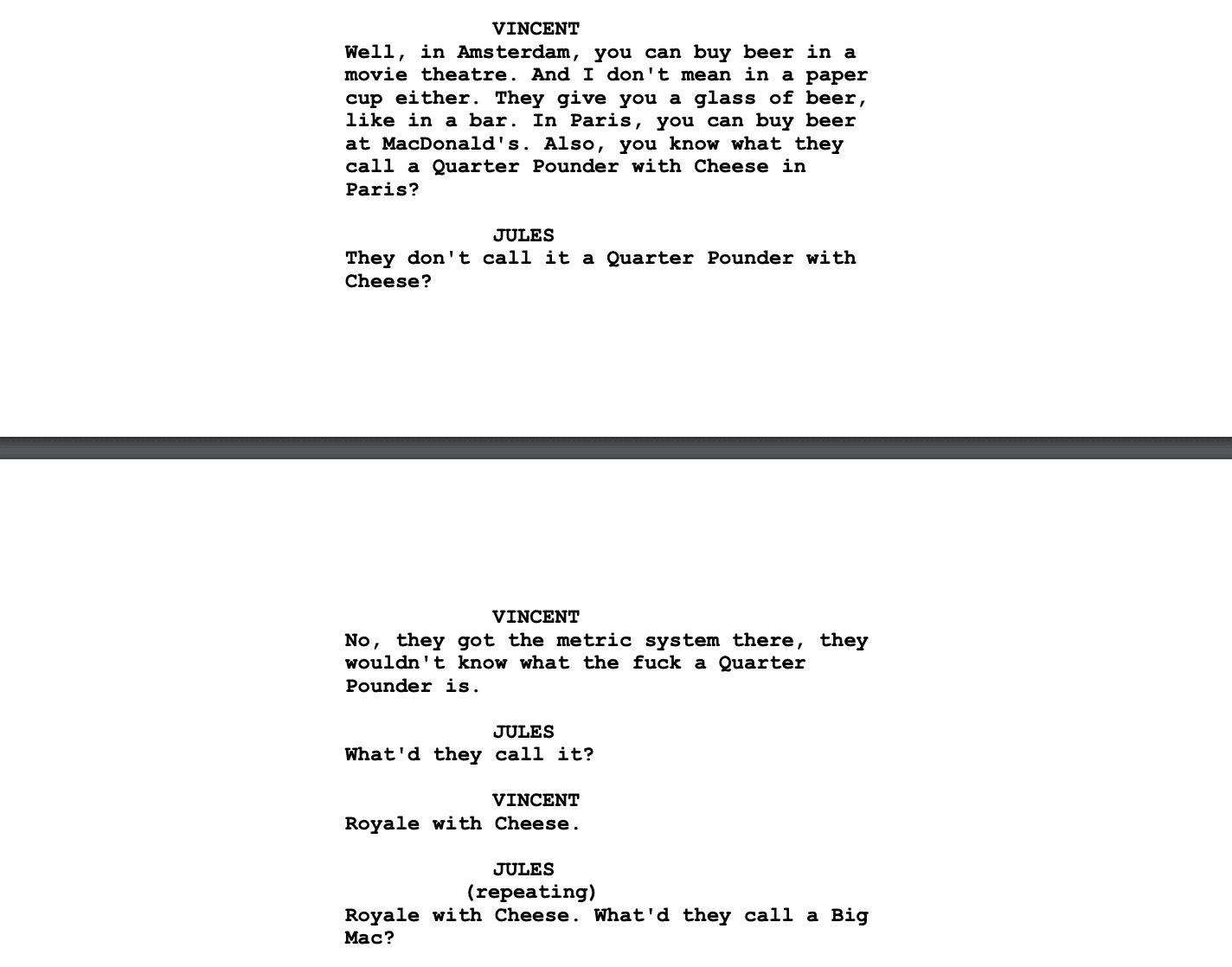
1. The Power of Authenticity: Authentic dialogue reflects the essence of real-life conversations. Explore how well-crafted dialogues can make characters relatable and enhance the overall narrative. Example: Quentin Tarantino's "Pulp Fiction" The casual and authentic banter between hitmen Vincent Vega and Jules Winnfield brings a sense of reality to the surreal world they inhabit.
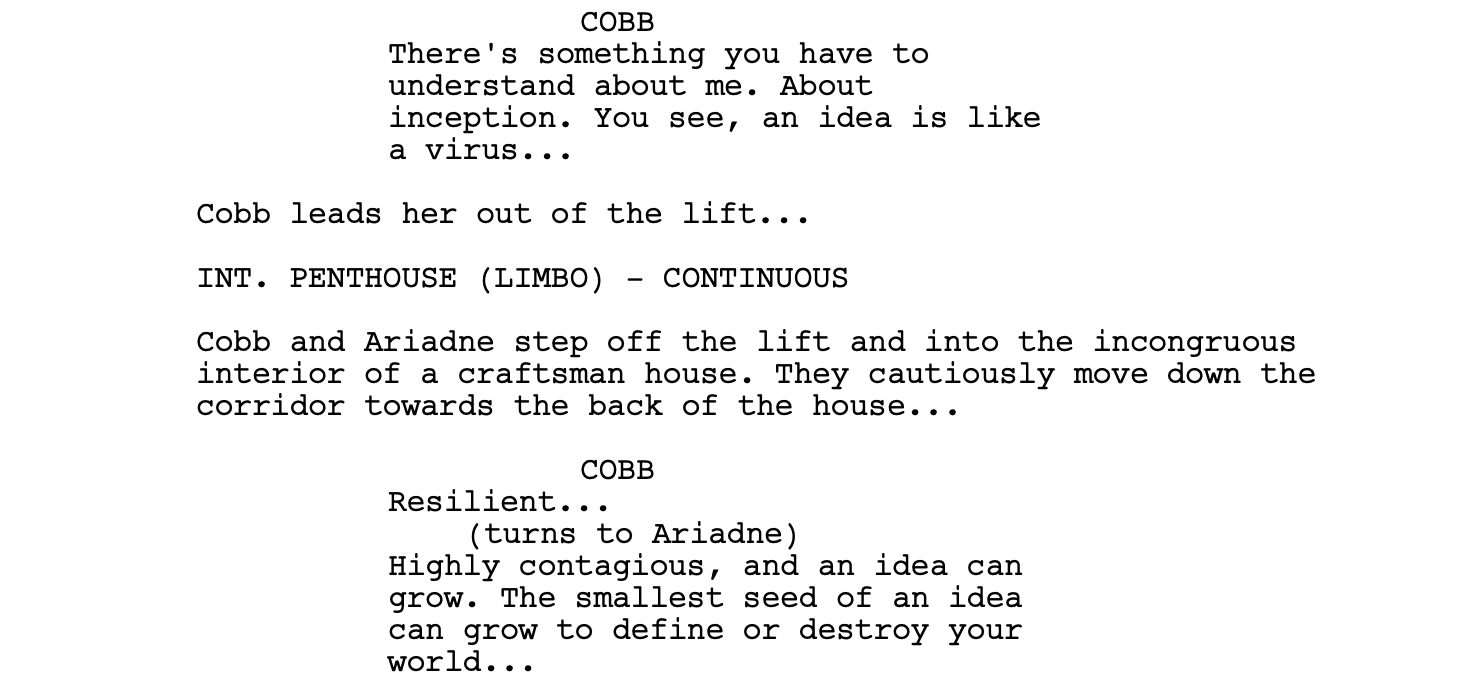
2. Subtext and Nuance: Delve into the importance of subtext, where underlying meanings add layers to the conversation. Unpack how skilled screenwriters use nuance to convey emotions and unsaid thoughts. Example: Christopher Nolan's "Inception" The dialogue between Cobb and Mal explores the complexity of their relationship, laden with unspoken regrets and desires.
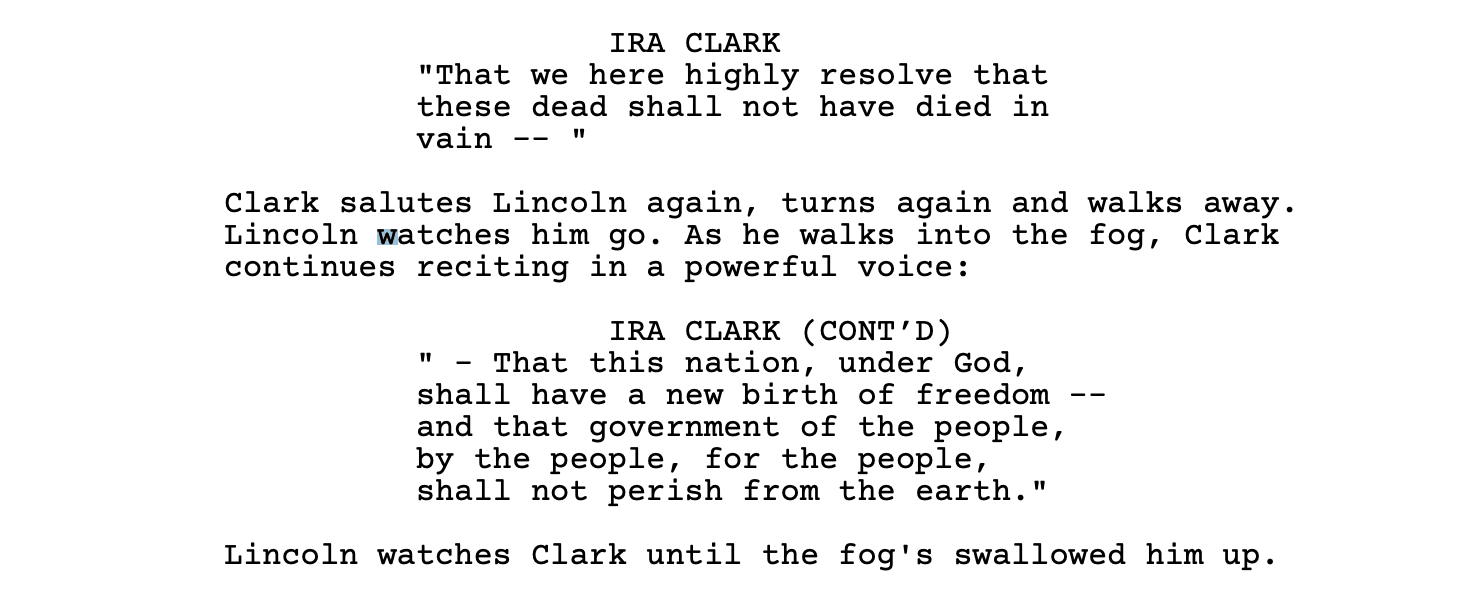
3. Historical Dialogues: Lessons from the Past: Analyze how historical movies use dialogue to transport audiences to different eras. Discuss the challenge of balancing accuracy with storytelling flair. Example: Daniel Day-Lewis' powerful delivery in "Lincoln" The eloquent and historically inspired speeches provide a glimpse into the mind of one of America's greatest leaders.
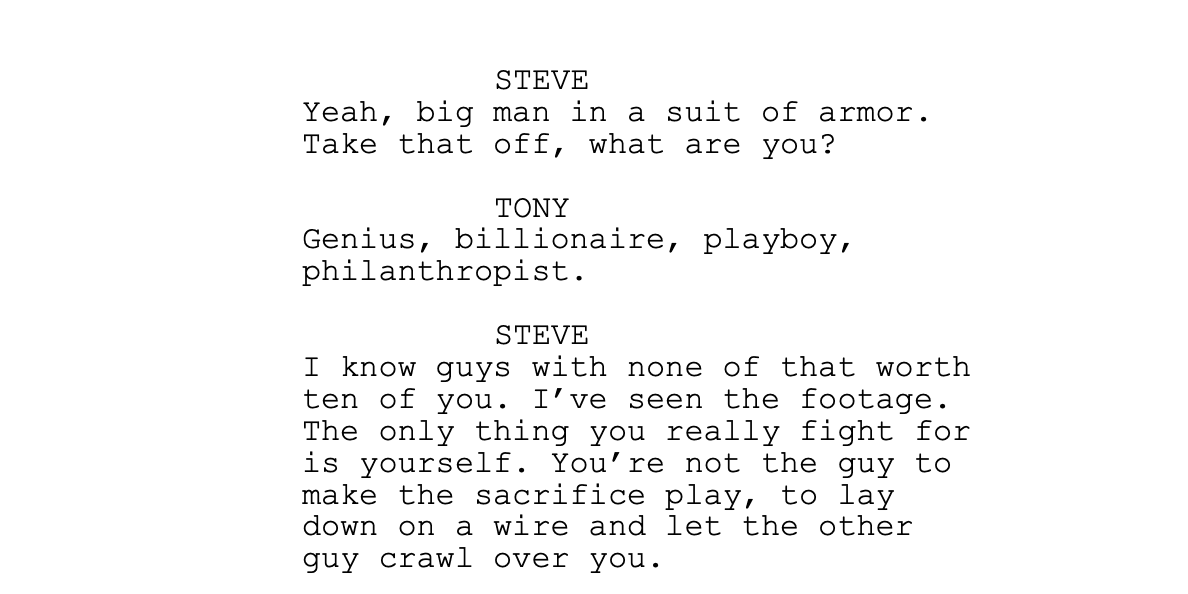
4. Humor as a Narrative Device: Comedy is often fueled by clever dialogue. Examine how humor can be a powerful tool, breaking tension, and endearing characters to the audience. Example: Marvel's "The Avengers" Tony Stark: "Genius, billionaire, playboy, philanthropist." The witty exchanges between Tony Stark and the rest of the superhero team not only entertain but also define each character's personality.
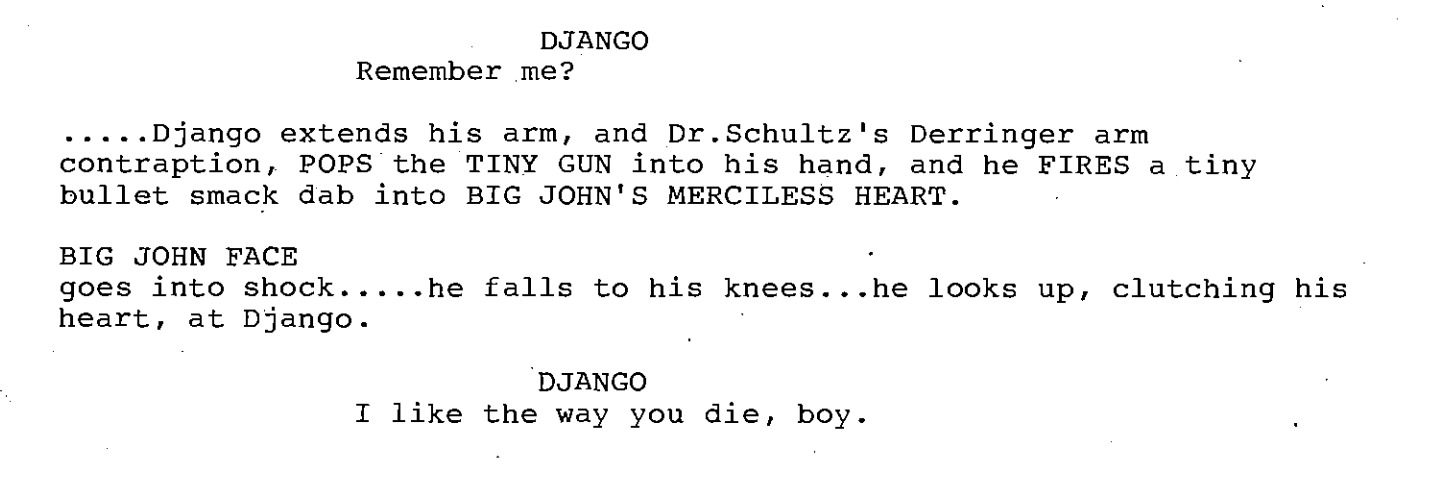
5. Building Tension through Dialogue: Explore the ways in which dialogue can be used to create suspense and tension, heightening the audience's emotional involvement in the story. Example:
In the realm of filmmaking, dialogue serves as a dynamic force that shapes characters, drives narratives, and leaves a lasting impact on audiences. By understanding the nuances of crafting compelling conversations, both seasoned and aspiring writers can elevate their storytelling to cinematic heights. As we've seen from iconic movie dialogues, words have the power to linger long after the credits roll.