
Films That Won With Unconventional Distribution — And What Modern Filmmakers Can Learn

Updated on


 @finalbitai
 @finalbitai
For decades, film distribution followed a predictable path: studio financing, agency packaging, distributor deals, and large marketing budgets. But several breakout films proved that success doesn’t always come from the traditional pipeline.
Some of the most profitable and culturally impactful films used unconventional distribution strategies — audience-driven releases, creator-led rollouts, demand-based screenings, and viral-first campaigns.
For filmmakers, producers, and creative teams, these cases reveal a powerful shift: distribution is no longer only controlled by gatekeepers — it can be activated by audiences.
Below are four standout examples — and the practical lessons behind them.
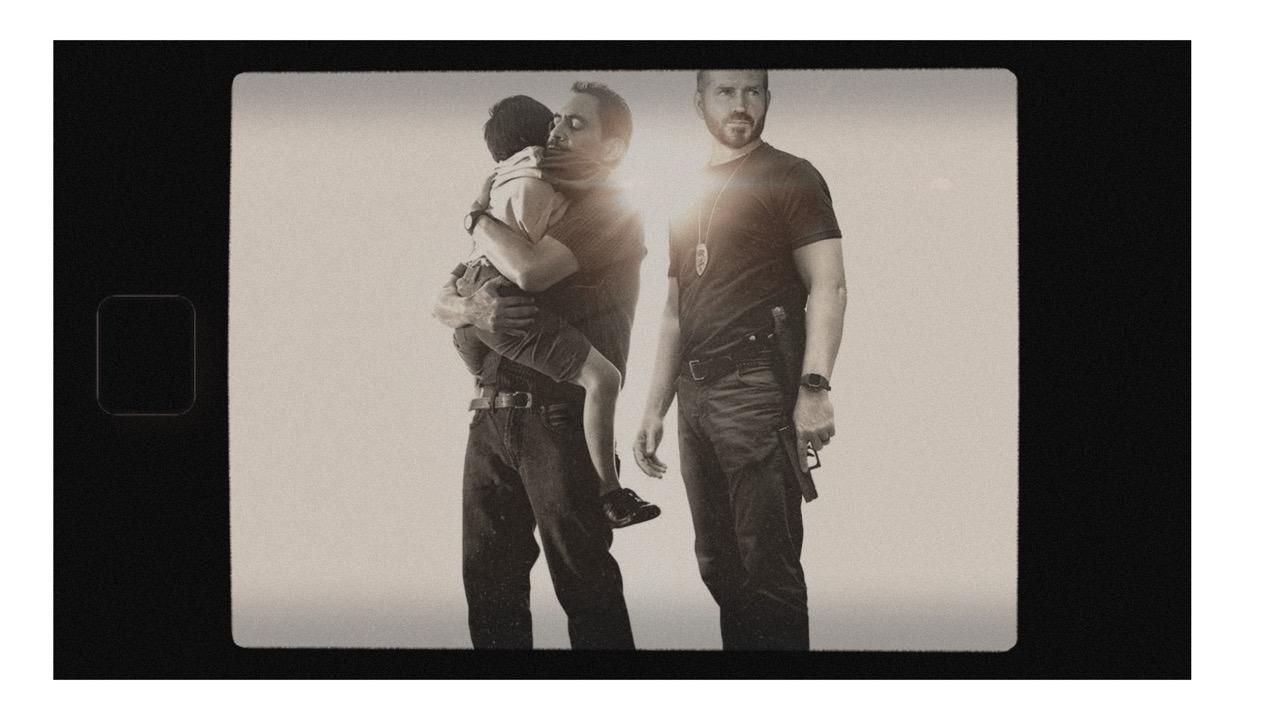
Sound of Freedom — Community-Powered Distribution at Scale
Distribution model: Grassroots + Pay-It-Forward ticketing Budget: Modest (indie scale) Result: ~$250M worldwide box office
Instead of relying primarily on studio marketing spend, Sound of Freedom scaled through community-driven promotion and a “Pay It Forward” ticket model that allowed viewers to purchase tickets for others.
The audience didn’t just watch — they participated in distribution.
Why it worked
Emotional urgency and cause-driven messaging
Community mobilization
Built-in referral mechanics (gifted tickets)
Word-of-mouth > ad spend
Key takeaway for filmmakers
When audiences feel personal stake, they amplify distribution organically.
%2520Medium.jpeg&w=3840&q=75)
Iron Lung — Creator-Led Theatrical Distribution
Distribution model: Self-financed + creator-driven theatrical demand Budget: ~$3M Result: ~$21M opening weekend worldwide
Markiplier produced and released Iron Lung independently, without a traditional studio distribution model. Instead of negotiating access first, he activated his existing audience. Fans directly contacted theaters and requested screenings — which drove large chains to book the film.
Distribution followed audience demand signals, not studio approvals.
Why it worked
Direct audience relationship
Long-term trust built before release
Demand-led theater expansion
Minimal traditional marketing
Key takeaway for filmmakers
Owning your audience relationship can be more valuable than owning distribution infrastructure.
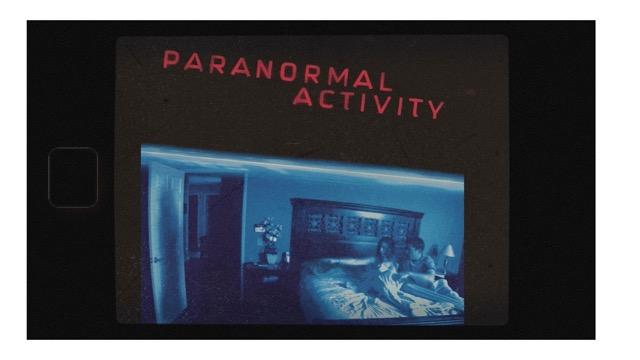
Paranormal Activity — Demand-Driven Market Testing
Distribution model: Audience-demand expansion Budget: ~$15,000 Result: ~$193M worldwide box office
Paranormal Activity began as a micro-budget indie film. Instead of a wide release, it rolled out slowly using a “Demand It” campaign, where viewers requested screenings in their cities. Markets with the highest demand received screenings first — then expansion followed performance.
Why it worked
Proof-of-demand before scale
Market-by-market rollout
Scarcity increased curiosity
Audience participation guided distribution
Key takeaway for producers
Test small. Expand where demand is proven. Let data guide release scale.
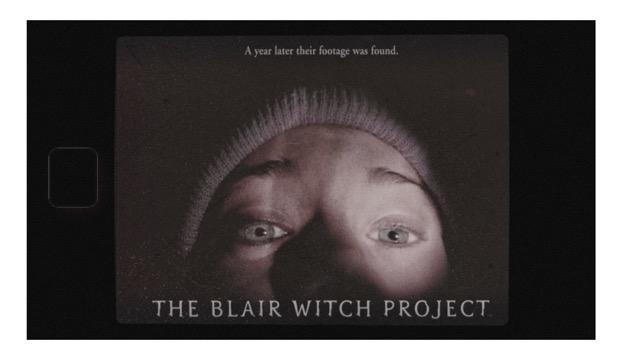
The Blair Witch Project — Viral-First Distribution
Distribution model: Internet-driven viral campaign Budget: ~$60,000 Result: ~$248M worldwide box office
Before social media existed, The Blair Witch Project used online storytelling to blur fiction and reality. A fake documentary-style website and early web forums fueled speculation and viral sharing.
The marketing became part of the narrative — and distribution momentum followed.
Why it worked
Story extended beyond the film
Mystery drove conversation
Early viral mechanics
Audience curiosity replaced ad spend
Key takeaway for marketers
Distribution starts before release — world building and narrative framing drive demand.
The Pattern Behind Successful Alternative Film Distribution
Across all these cases, the same principles appear:
1️⃣ Audience comes before distribution deals
Direct audience connection reduces gatekeeper dependency.
2️⃣ Proof beats projection
Demand testing outperforms assumption-based wide releases.
3️⃣ Community outperforms campaigns
Engaged viewers convert better than passive reach.
4️⃣ Lean prep reduces waste
The more clarity achieved in pre-production and positioning, the less money is burned later.
Why This Matters for Modern Film Production
The industry is shifting from: Gatekeeper-first → Audience-first
From: Marketing spend → Demand signals
From: Wide release risk → Validated expansion
For filmmakers and studios alike, this changes how projects should be prepared from the beginning. Smarter planning, clearer audience targeting, and stronger pre-production alignment now directly influence distribution success.
If you want unconventional distribution to work, it must be supported by strong pre-production, structured planning, and creative clarity — long before release.
Final Thought
Unconventional film distribution is no longer rare — it’s becoming a competitive advantage. The creators who win are not just making films differently — they’re preparing, positioning, and activating audiences differently.
The future of film distribution isn’t only about who funds your movie. It’s about who shows up for it.