
Mastering Camera Shots in Storyboarding

Updated on


 @finalbitai
 @finalbitai
Storyboarding is an essential part of the filmmaking process, serving as a visual script that helps directors plan out the shots and sequences of their films. Each storyboard is a blueprint that guides the production team on how to execute the director's vision. One of the most critical elements of storyboarding is the use of different camera shot types. These shots are the building blocks of cinematic storytelling, each bringing its own unique perspective and emotional weight to the scene. In this blog post, we'll explore the typical camera shot types used by directors in storyboarding.
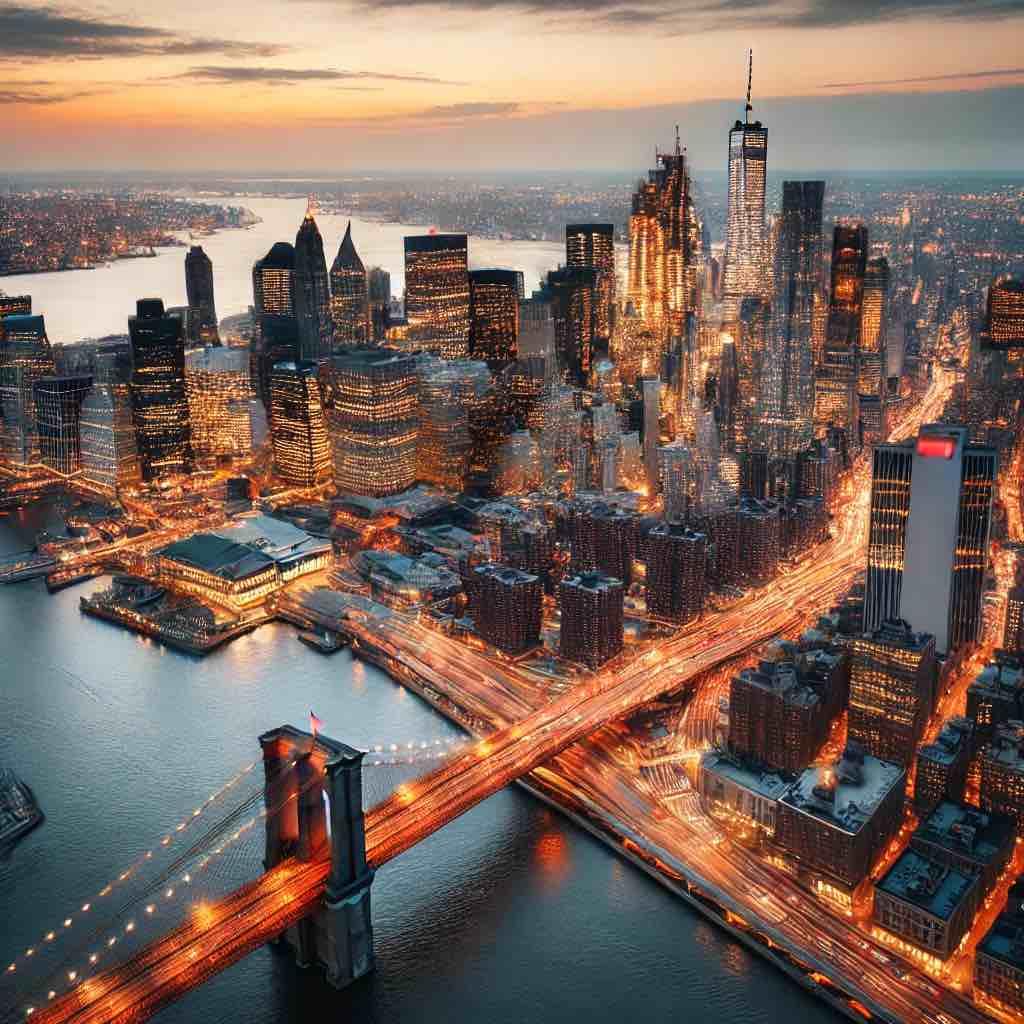
1. Establishing Shot
Purpose: - To set the scene and provide context. - To show the environment or location where the action will take place.
Characteristics: - Usually a wide shot. - Often used at the beginning of a sequence or scene.
Example: An aerial view of a bustling city, setting the stage for a story set in an urban environment.
2. Wide Shot (WS) / Long Shot (LS)
Purpose: - To show the subject in relation to their surroundings. - To convey scale and scope.
Characteristics: - The subject is fully visible within the frame. - Often used to show action and movement.
Example: A character walking through a vast desert, emphasizing their isolation and the journey ahead.

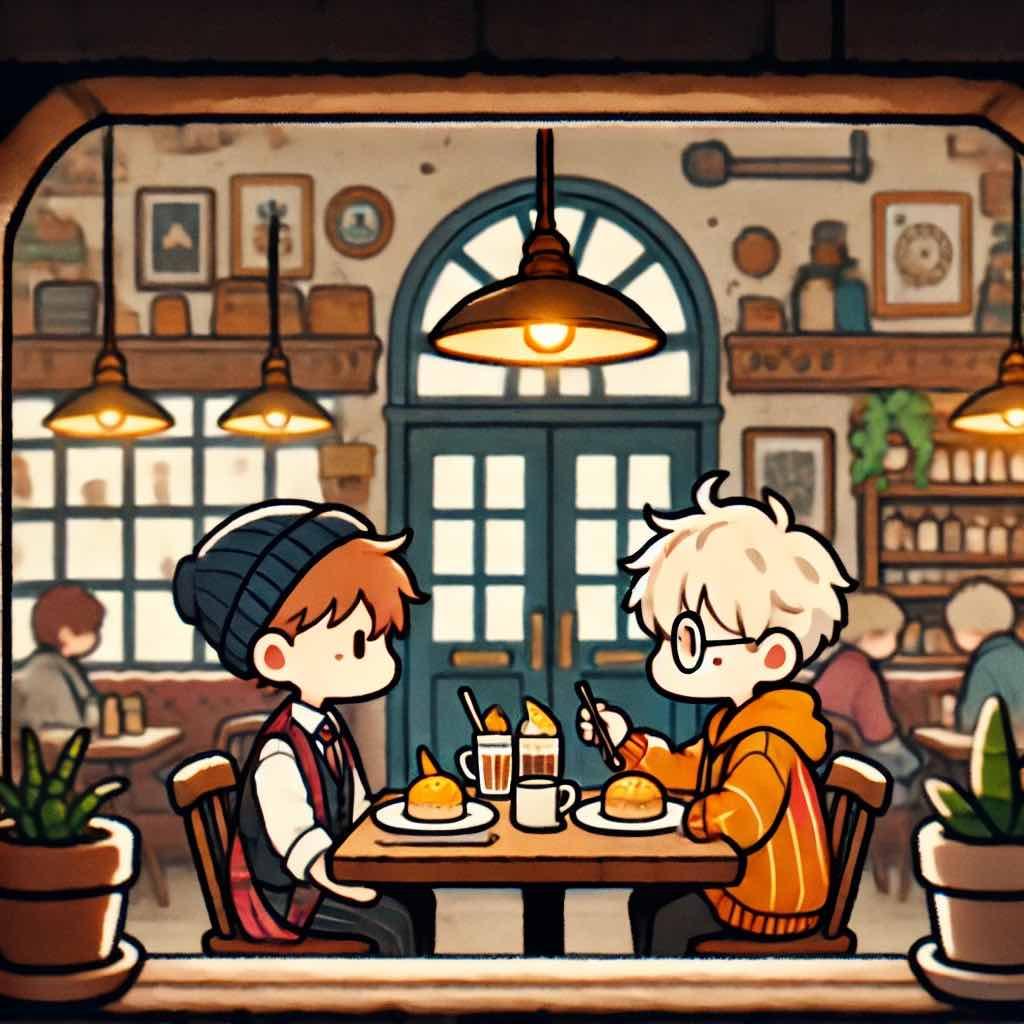
3. Medium Shot (MS)
Purpose: - To focus on the subject while still showing some background. - To balance between the character and their environment.
Characteristics: - Frames the subject from the waist up. - Commonly used for dialogue scenes.
Example: Two characters sitting at a table, engaged in conversation, with the background of a cozy café visible.
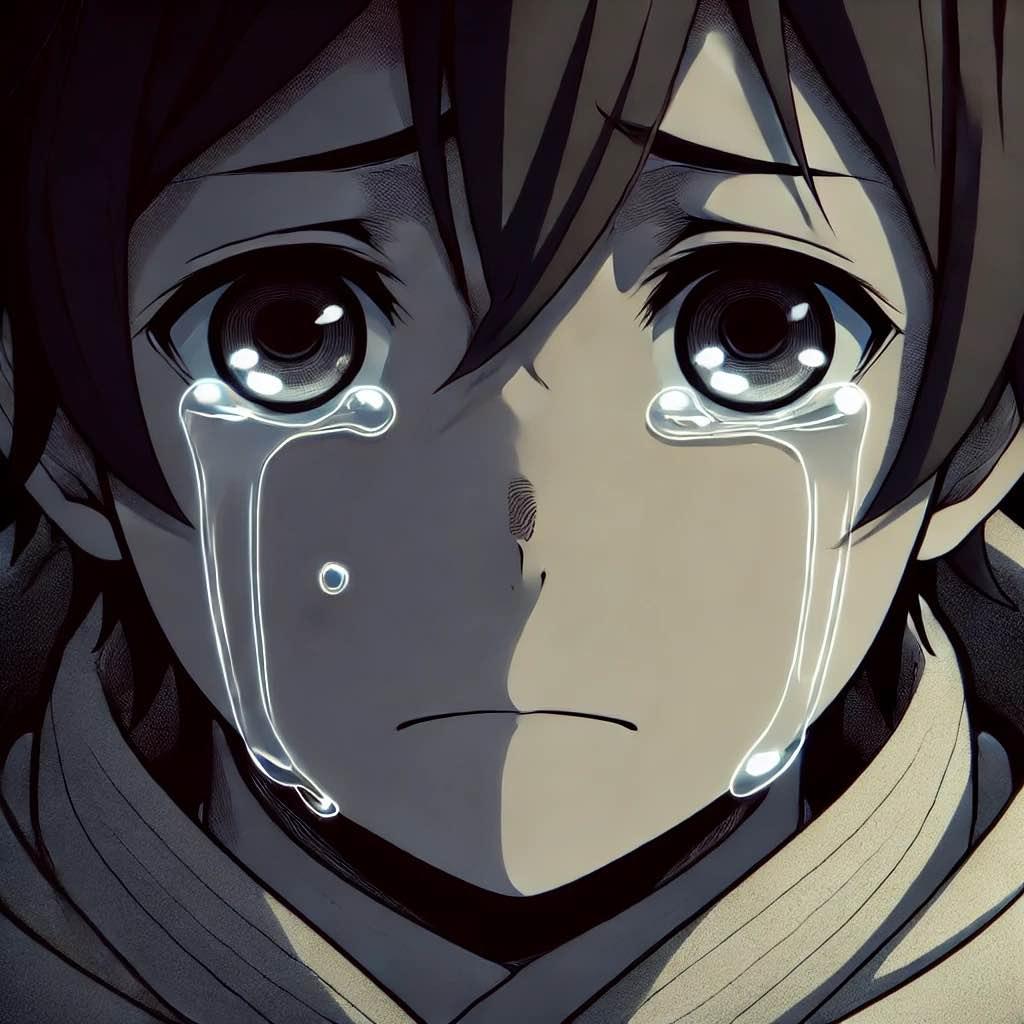
4. Close-Up (CU)
Purpose: - To capture emotions and details. - To create intimacy and focus on the subject's expressions.
Characteristics: - Frames the subject's face or a specific detail (like a hand or an object). - Used to convey the emotional state of the character.
Example: A close-up of a character's face, showing their tears as they receive tragic news.
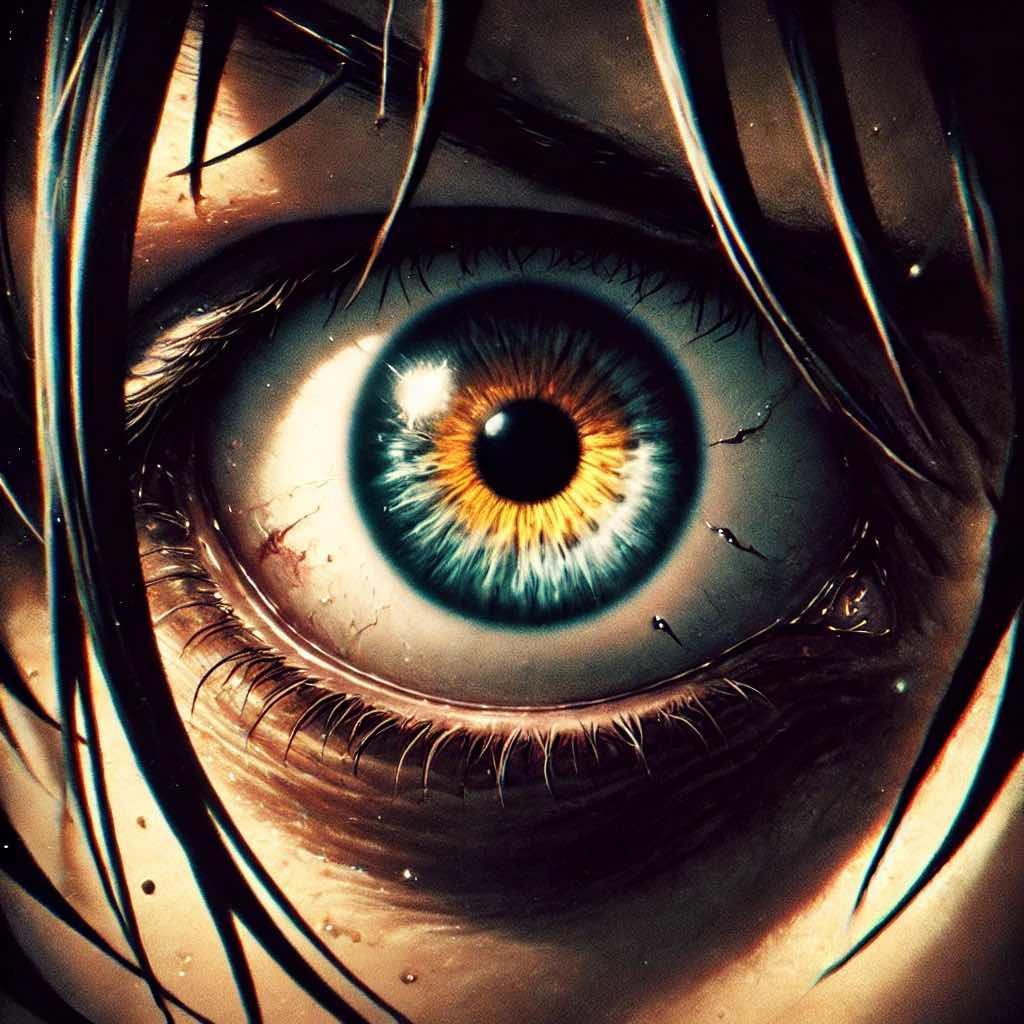
5. Extreme Close-Up (ECU)
Purpose: - To emphasize a particular detail. - To create tension or highlight significance.
Characteristics: - Frames a very small part of the subject (like eyes, mouth, or an object). - Often used in dramatic moments.
Example: An extreme close-up of a character's eye, showing their pupil dilate in fear.
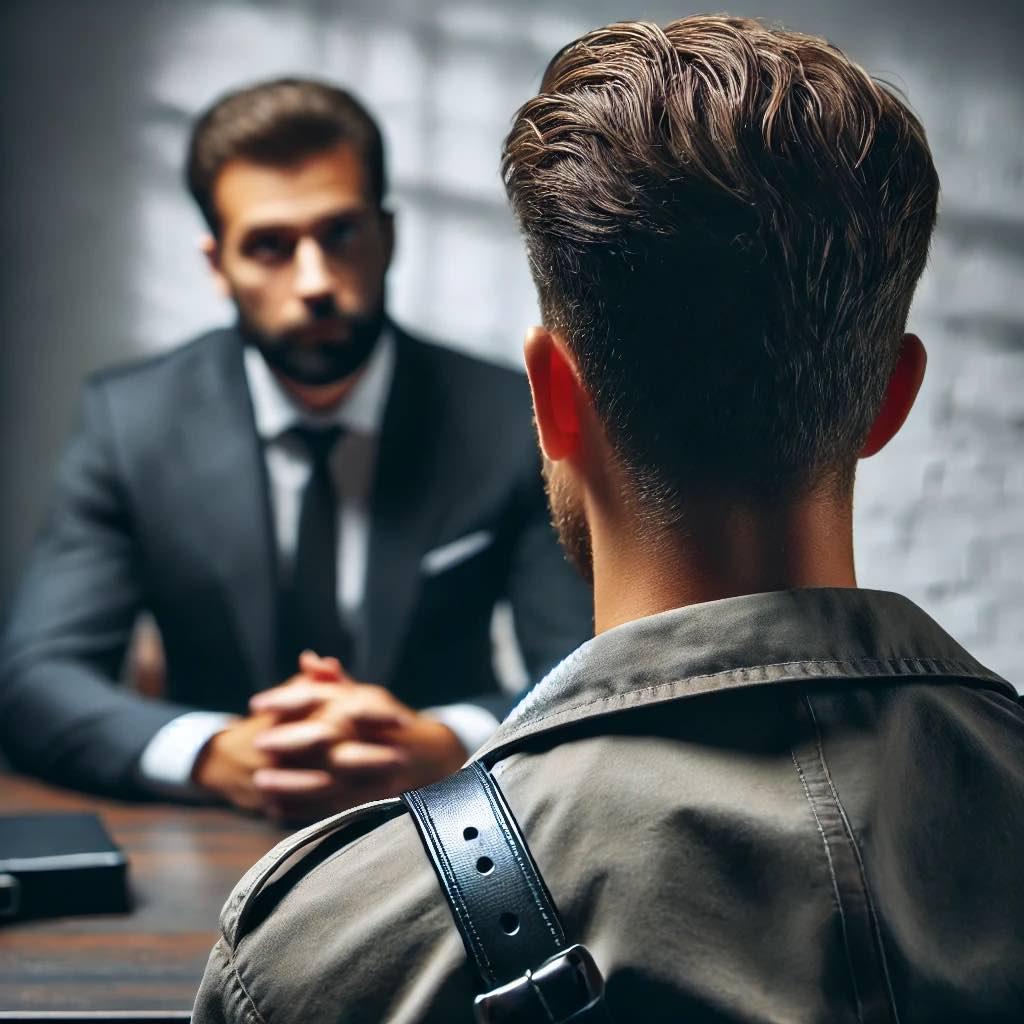
6. Over-the-Shoulder Shot (OTS)
Purpose: - To show the perspective of one character while focusing on another. - Commonly used in dialogue scenes.
Characteristics: - Shot from behind a character, over their shoulder. - Frames the other character or action in front of them.
Example: An over-the-shoulder shot of a detective interrogating a suspect, with the suspect's face in focus.
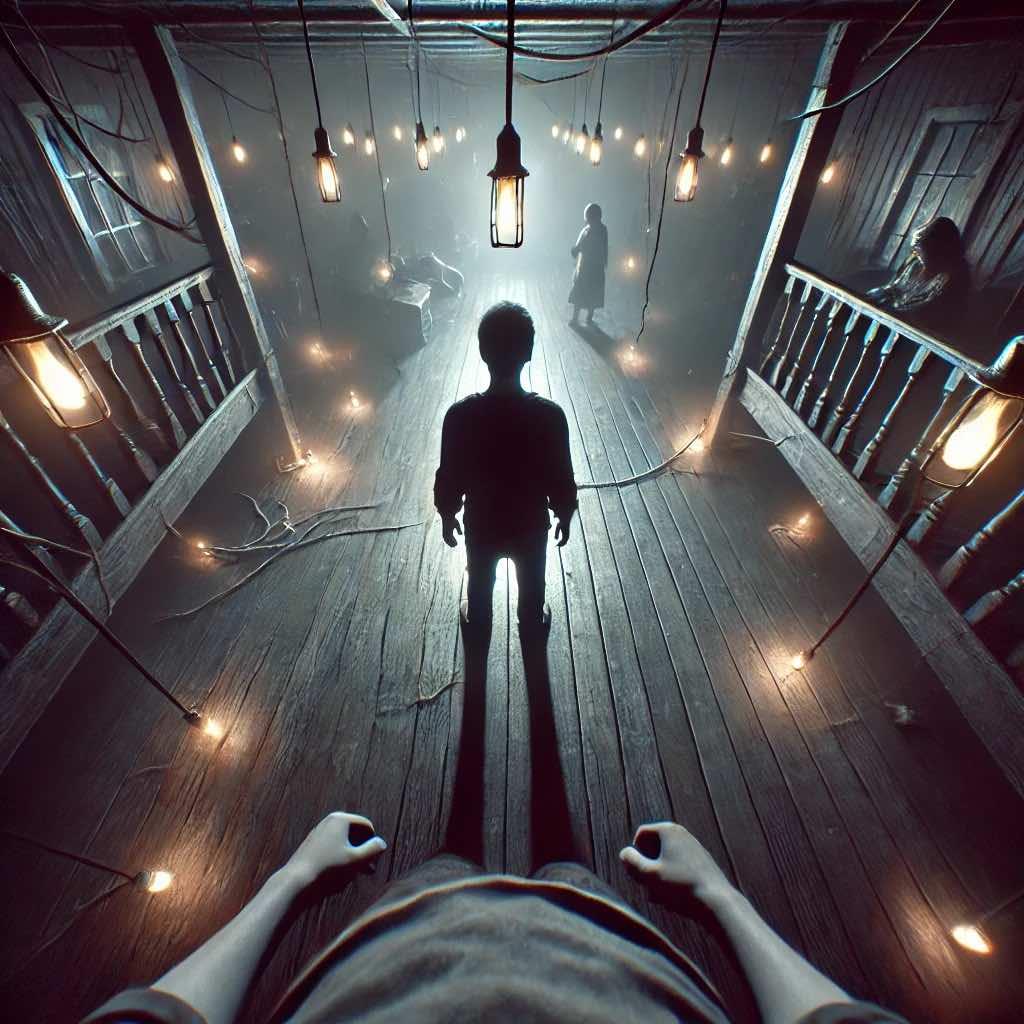
7. Point-of-View Shot (POV)
Purpose: - To show what a character sees. - To immerse the audience in the character's experience.
Characteristics: - The camera takes the perspective of the character. - Creates a subjective view.
Example: A POV shot of a character walking through a haunted house, seeing flickering lights and eerie shadows.
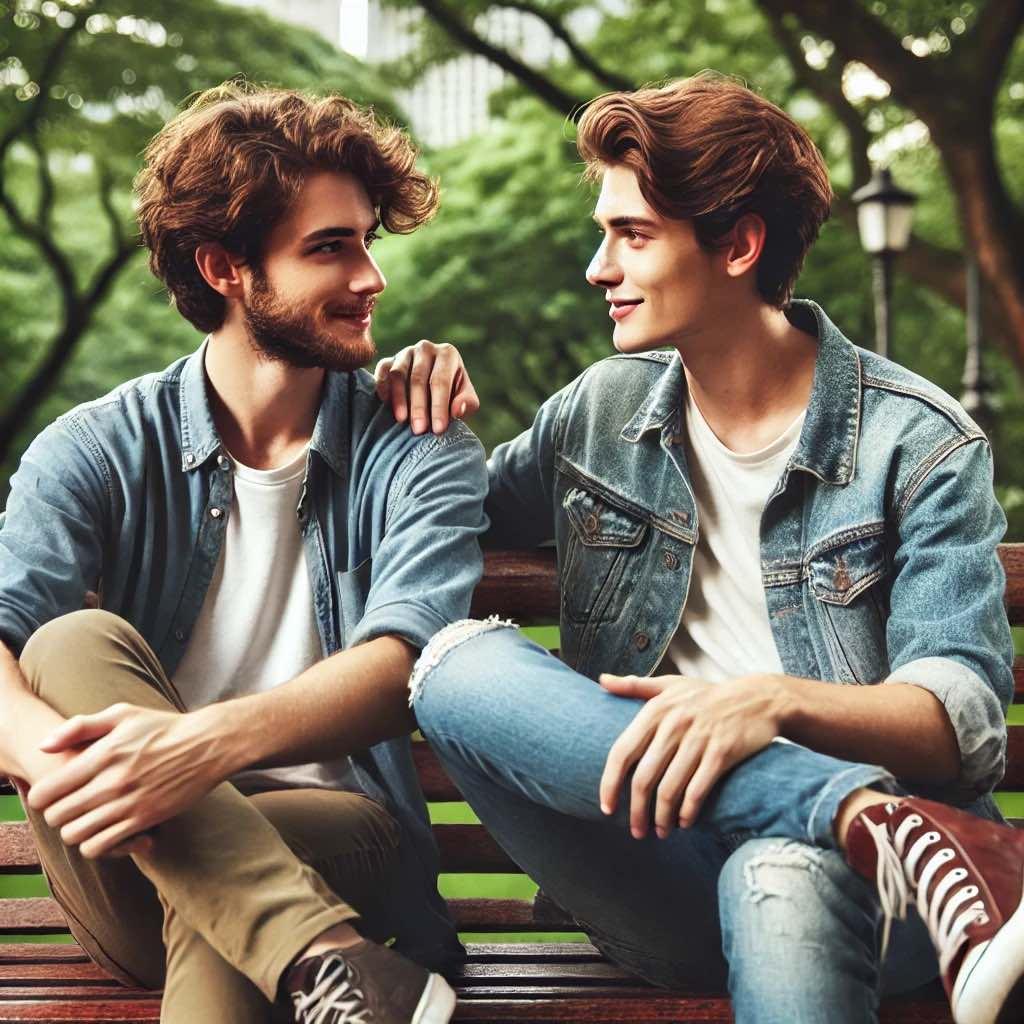
8. Two-Shot
Purpose: - To frame two characters within the same shot. - To show interaction and relationship.
Characteristics: - Both characters are equally visible in the frame. - Often used in dialogue and reaction shots.
Example: A two-shot of two friends sitting on a park bench, sharing a heartfelt conversation.
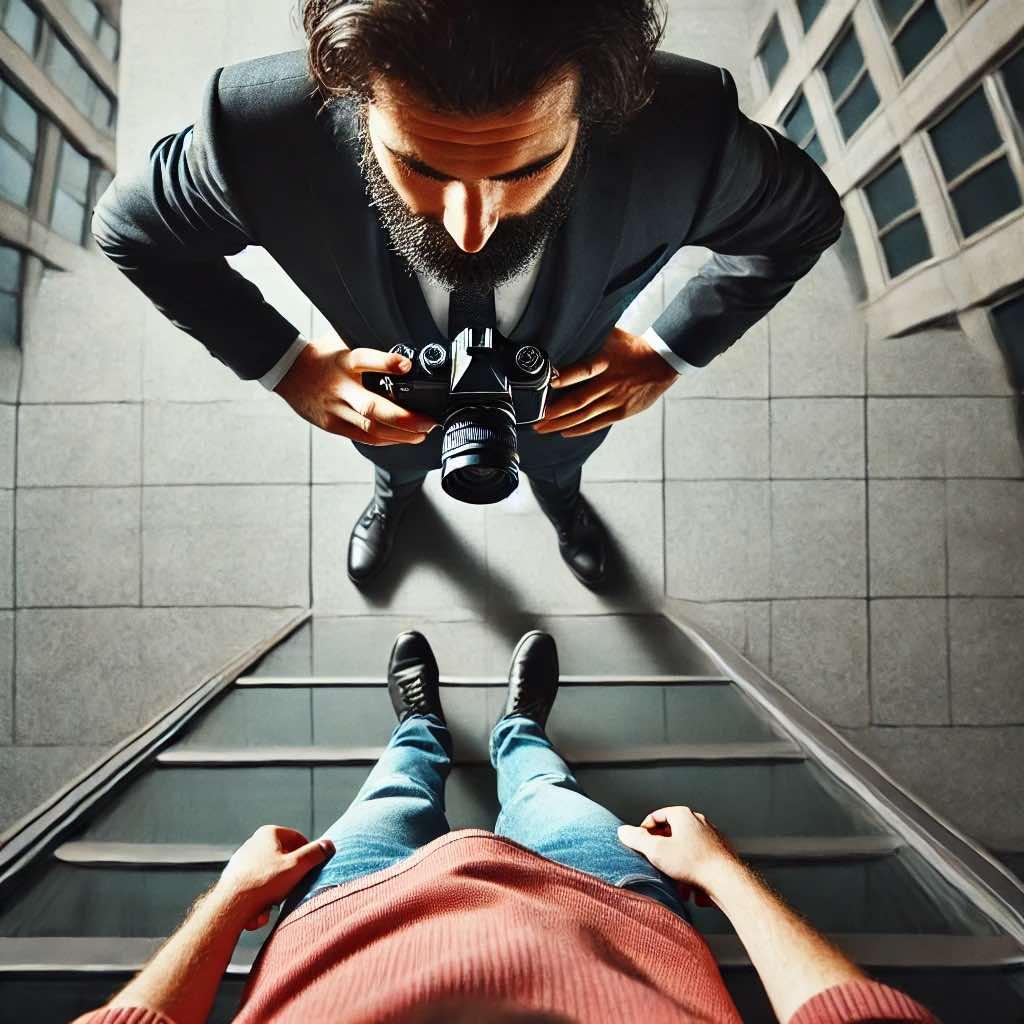
9. High Angle Shot
Purpose: - To make the subject appear smaller, weaker, or more vulnerable. - To provide a different perspective.
Characteristics: - The camera is positioned above the subject, looking down. - Creates a sense of dominance or surveillance.
Example: A high angle shot of a character looking up at a towering adult, emphasizing the power dynamic.
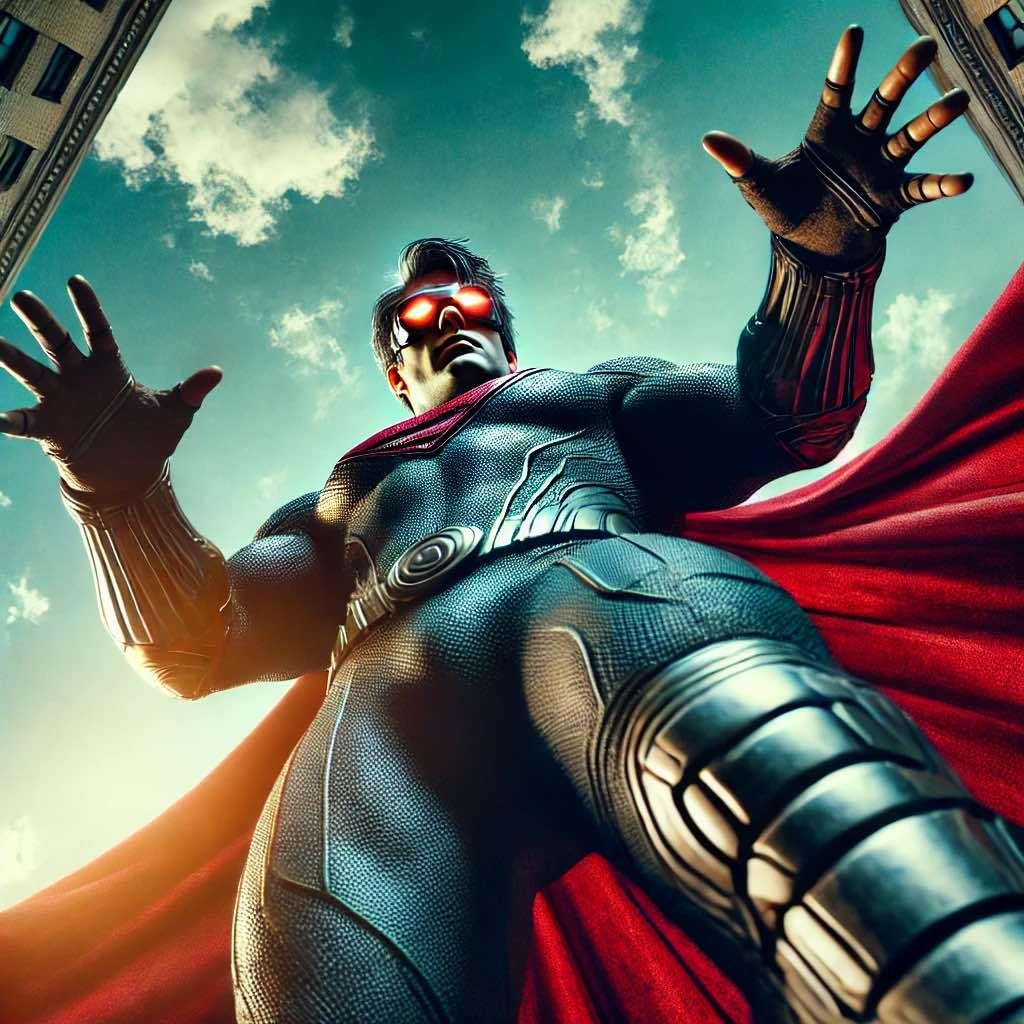
10. Low Angle Shot
Purpose: - To make the subject appear larger, stronger, or more intimidating. - To provide a sense of power or importance.
Characteristics: - The camera is positioned below the subject, looking up. - Creates a sense of dominance or heroism.
Example: A low angle shot of a superhero standing triumphantly, looking powerful and imposing.
Understanding the different camera shot types is crucial for anyone involved in the filmmaking process. These shots are more than just technical choices; they are storytelling tools that help convey the director's vision, emotions, and narrative flow. Whether you're a director, storyboard artist, or film enthusiast, mastering the use of these shots will enhance your ability to tell compelling visual stories. So next time you watch a film, pay attention to the variety of shots used and consider how they contribute to the story being told.